

 中文简体
中文简体 Español
 عربى
عربى
Request for a call today
Why Plastic Painted Rectangular Padlock Need Surface Coating?
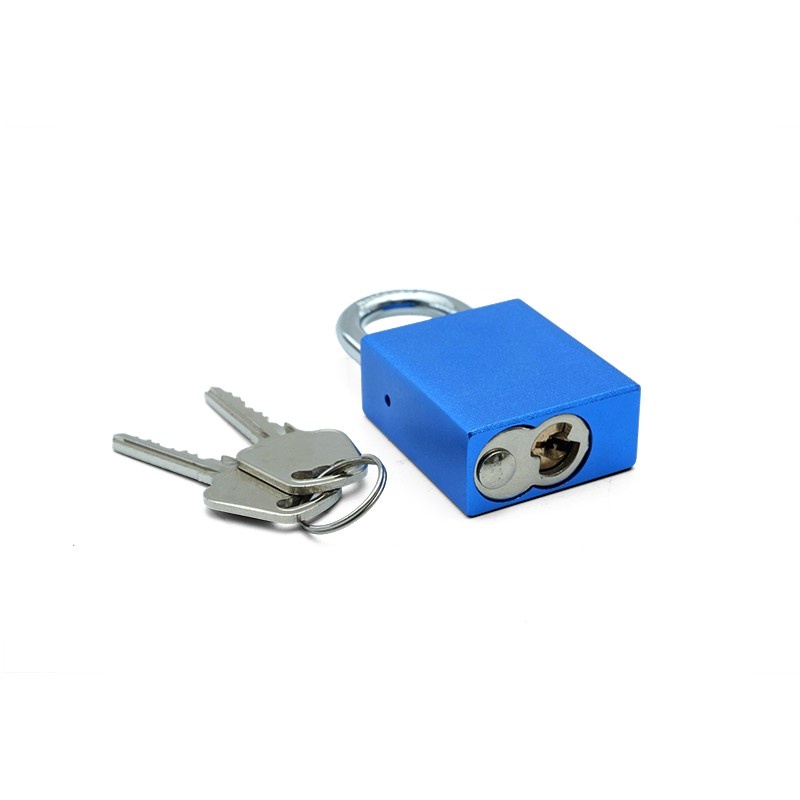
A plastic painted rectangular padlock is usually selected for environments where security is only one part of the requirement. Warehouses, equipment storage areas, temporary construction sites, and logistics facilities often expose locks to dust, rain, repeated handling, and frequent transportation. Under these conditions, maintenance teams pay attention not only to the locking mechanism but also to how the outer surface withstands everyday use.
Another phrase commonly appearing during purchasing discussions is rectangular padlock, especially when industrial users compare different body structures for outdoor applications. Manufacturers also emphasize protective coatings because they help reduce corrosion and extend service life in demanding environments.
The Surface Is Touched More Than The Key
People often focus on the key cylinder.
Daily operation tells a different story.
Workers grab the body.
Move the lock.
Carry equipment.
Open and close gates.
The painted exterior of a plastic painted rectangular padlock experiences constant contact long before the locking cylinder receives attention.
Forklift operators.
Warehouse staff.
Maintenance technicians.
Delivery drivers.
Each handles the lock differently, leaving fingerprints, dust, moisture, and occasional impacts on the coating.
Outdoor Work Never Looks The Same
A lock installed on an indoor cabinet faces one environment.
A lock hanging on an outdoor container faces another.
Morning condensation.
Afternoon sunlight.
Unexpected rain.
Construction dust.
These changes happen every day.
Instead of treating the coating as decoration, many industrial buyers consider it part of the protective structure surrounding the rectangular padlock. Plastic-coated or painted finishes are commonly used to improve resistance to corrosion during outdoor exposure.
Color Also Helps Daily Management
Maintenance teams often manage hundreds of locks.
Some belong to electrical equipment.
Others secure storage cages.
Others remain assigned to temporary projects.
Color becomes a practical identifier.
Without reading serial numbers, workers may recognize which plastic painted rectangular padlock belongs to a particular department simply by appearance.
This visual identification reduces unnecessary searching during routine inspections.
Large facilities sometimes combine painted locks with numbering systems to simplify inventory control.
Inspection Records Stay Practical
Daily inspection reports rarely describe appearance in detail.
Instead, short notes become part of long-term maintenance history.
coating remained intact
body cleaned after outdoor use
locking action normal
surface inspected before reinstallation
These observations help maintenance departments compare equipment over time rather than after a single inspection.
When several rectangular padlock models operate in the same facility, similar records allow purchasing teams to review long-term durability without interrupting daily work.
Handling History Matters More Than One Test
Laboratory testing provides one type of information.
Field use provides another.
A plastic painted rectangular padlock mounted on a warehouse gate may be opened dozens of times each day.
Another installed on emergency equipment may remain untouched for weeks.
Both experience different operating histories even though they share the same design.
Maintenance engineers therefore compare where each lock has been used before evaluating its condition.
Instead of relying on one inspection, they gradually build a service history through repeated observation. Over months of normal operation, the coating, body condition, and handling records together provide a clearer picture of how each plastic painted rectangular padlock performs in real industrial environments than a single short-term evaluation.

 Tel: +86-18858990200
 E-mail: [email protected]
 Add: No. 77, Yidianhong Avenue, Pujiang County, Jinhua City, Zhejiang Province
Copyright 2025 Pujiang Qiying Industry and Trade Co., Ltd. All Rights Reserved 
Custom Lock Cylinder Manufacturers