

 中文简体
中文简体 Español
 عربى
عربى
Request for a call today
Is Electroplated Nickel Rectangular Lock Checked After Every Plating Batch?
One plating tank finishes its cycle.
The baskets come out.
Workers do not rush them directly toward assembly.
Instead, several locks are taken aside before the next production batch begins.
A Electroplated Nickel Rectangular Lock usually receives this additional inspection because surface quality is easier to correct immediately after plating than after the lock has already been assembled and packaged.
Inside a plating workshop, this routine happens repeatedly throughout the day. Most visitors never notice it, yet operators consider it part of ordinary production instead of a special inspection.
Another keyword often appearing in production discussions is nickel plated padlock, especially when customers request stable appearance across long-term orders rather than one successful sample.
The Sample Rarely Decides Everything
Early inspection is only a reference.
Production continues.
Another basket arrives.
Another inspection follows.
Experienced operators rarely assume the remaining Electroplated Nickel Rectangular Lock products will automatically match the first approved sample.
Instead, they continue checking the surface as production moves forward.
This habit helps detect gradual process changes before they become visible across an entire batch.
Quality engineers often describe plating as a stable process that still requires continuous observation.
The equipment remains the same.
The settings remain similar.
Small changes may still appear after hours of production.
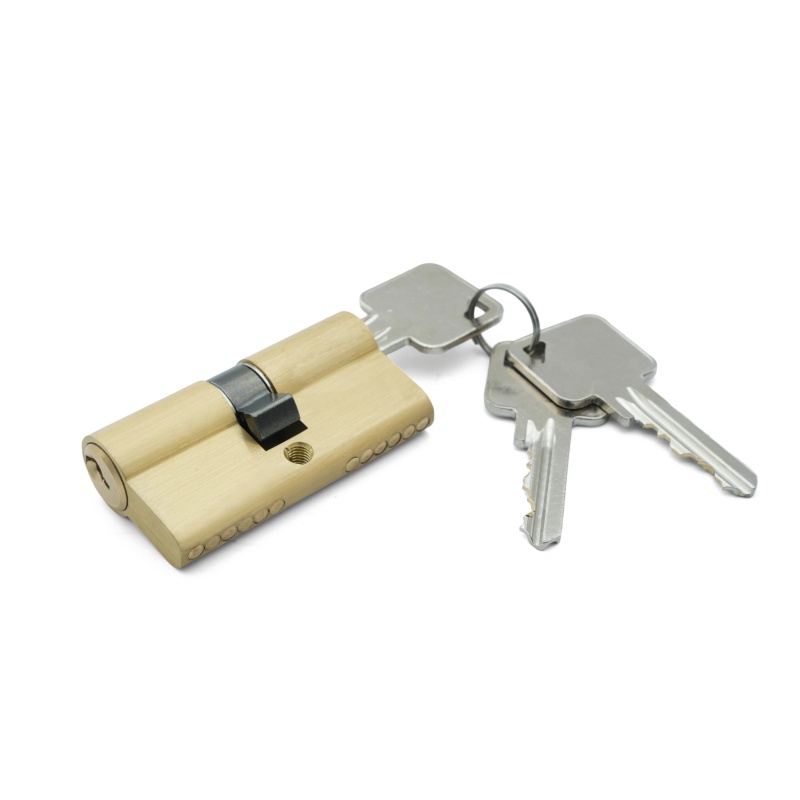
Surface Differences Usually Appear At The Edges
Workers seldom begin inspection from the middle of the lock.
Corners receive attention first.
Edges follow.
Small openings are examined next.
These locations often reveal plating consistency earlier than larger flat areas.
When inspectors review a nickel plated padlock, they look for practical manufacturing details rather than cosmetic perfection.
Uneven coverage near an edge may indicate that something inside the plating process deserves another review.
Finding that variation early prevents similar parts from continuing toward assembly.
Production Stops Are Not Always Equipment Failures
Sometimes production slows for only a few minutes.
Not because machines have failed.
Because operators want another inspection.
A basket may wait beside the production line.
Measurements are confirmed.
Appearance is compared with previous samples.
Once everything matches normal standards, the next Electroplated Nickel Rectangular Lock batch continues through the factory.
These short pauses often protect overall production quality much better than discovering the same issue after hundreds of completed locks have already entered packaging.
Workshop Records Stay Surprisingly Simple
Most plating reports contain only practical information.
batch inspected
surface appearance confirmed
production restarted
sampling completed
Nothing dramatic appears inside these records.
Yet after several months, engineers can compare hundreds of similar reports.
Patterns become visible.
Maintenance schedules become easier to arrange.
Future production planning becomes more predictable.
Good Appearance Comes From Repeated Decisions
Customers usually notice the finished surface.
Factory workers remember everything that happened before it.
The additional inspection after one plating cycle.
The short production pause.
The extra sample taken from the basket.
None of these actions lasts very long.
Together they help keep every Electroplated Nickel Rectangular Lock closer to the same quality standard throughout continuous production.
The same routine supports every nickel plated padlock leaving the workshop. Rather than depending on one successful plating result, manufacturers continue making small inspection decisions throughout the day, allowing surface consistency to develop gradually across the entire production batch instead of relying on final inspection alone.

 Tel: +86-18858990200
 E-mail: [email protected]
 Add: No. 77, Yidianhong Avenue, Pujiang County, Jinhua City, Zhejiang Province
Copyright 2025 Pujiang Qiying Industry and Trade Co., Ltd. All Rights Reserved 
Custom Lock Cylinder Manufacturers