

 中文简体
中文简体 Español
 عربى
عربى
Request for a call today
Colorful Padlock: Style or Practical Choice?
In the lock market, a colorful padlock often stands out at first glance. Bright finishes and lightweight design make it very different from traditional heavy locks. But beyond appearance, many buyers ask a practical question: Is a colorful padlock actually useful in real scenarios? The answer depends on how it is used, what it is made of, and what level of security is required.
Lightweight Design Changes Daily Use
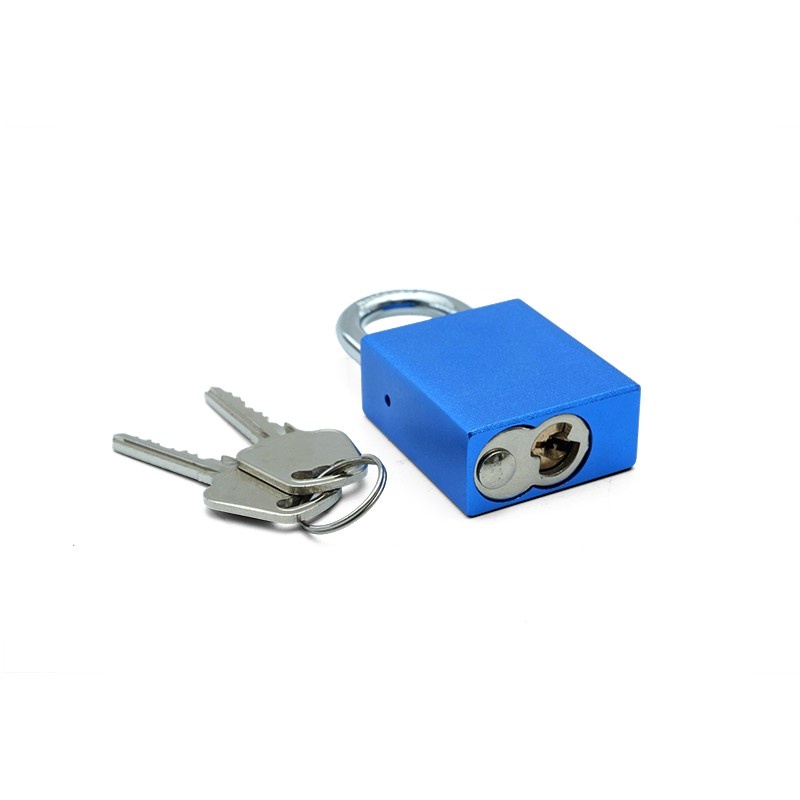
One noticeable feature of a colorful padlock is its weight. Compared with traditional iron locks, an aluminum-based colorful padlock can be significantly lighter. This makes it easier to carry and more comfortable for frequent handling.
Aluminum alloy also offers natural resistance to rust. Unlike iron locks that rely heavily on surface plating, a colorful padlock made from aluminum maintains its condition even when the outer layer experiences wear. This makes it suitable for humid indoor environments where corrosion could affect performance.
Color Is More Than Decoration
The defining feature of a colorful padlock is its wide range of colors. However, color is not only for visual appeal—it also improves organization.
In facilities with a large number of lockers, such as gyms or swimming centers, a colorful padlock can be used to separate zones or user groups. Different colors help users quickly identify their assigned space, reducing confusion and saving time.
For schools, a colorful padlock allows different grades or classes to be managed more clearly. In shared environments, this simple visual distinction adds practical value that standard locks cannot provide.
Material and Surface Treatment
The performance of a colorful padlock depends heavily on its material and finishing process.
|
Feature |
Description |
Benefit |
|
Aluminum Body |
Lightweight metal structure |
Easy to carry, rust-resistant |
|
Anodized Finish |
Color integrated into the surface |
Better color durability |
|
Powder Coating |
External color layer |
Brighter appearance |
Anodizing allows the colorful padlock to retain its color over time, while powder coating offers a wider range of visual options. Both methods help maintain the appearance of the colorful padlock during regular use.
Security Level: Understanding Its Role
It is important to understand that a colorful padlock is not designed for high-security applications. Aluminum is softer than hardened steel, meaning the shackle can be cut more easily with tools.
Most colorful padlock products use standard pin mechanisms. These are sufficient to prevent casual opening but are not intended to resist professional tampering. Therefore, the colorful padlock is better suited for controlled environments rather than high-risk areas.
Where a Colorful Padlock Works Better?
A colorful padlock performs well in situations where convenience and identification are more important than increased security.
Common applications include:
- Gym and swimming pool lockers
- School storage cabinets
- Travel luggage and backpacks
- Temporary storage or indoor partitions
In these scenarios, the colorful padlock acts as a practical tool for organization and basic protection. It helps prevent accidental access rather than determined theft.
Cost and Purchasing Flexibility
Another advantage of a colorful padlock is its cost efficiency. Aluminum construction reduces material and production costs, making it suitable for bulk purchasing.
|
Option |
Description |
Use Case |
|
Same Key System |
Multiple locks share one key |
Facility management |
|
Individual Keys |
Each lock has unique keys |
Personal use |
|
Custom Colors |
Specific color matching |
Branding or organization |
This flexibility allows buyers to select a colorful padlock that matches their operational needs. For large-scale projects, color customization can also support branding or internal management systems.
Durability in Daily Use
Despite its lightweight structure, a colorful padlock can handle regular use effectively. Testing shows that repeated opening and closing does not significantly affect performance under normal conditions.
The internal components, such as springs and pins, are typically made of steel. This provides that the colorful padlock maintains functional stability even after extended use. As long as it is not exposed to heavy force or misuse, the lifespan of a colorful padlock remains reliable.
A colorful padlock is not designed to replace heavy-duty security locks, but it serves a clear purpose. It combines lightweight construction, visual identification, and practical usability.
For indoor, low-risk environments where organization and convenience matter, a colorful padlock offers a balanced solution. By understanding its role and limitations, buyers can choose a colorful padlock that fits their specific needs.

 Tel: +86-18858990200
 E-mail: [email protected]
 Add: No. 77, Yidianhong Avenue, Pujiang County, Jinhua City, Zhejiang Province
Copyright 2025 Pujiang Qiying Industry and Trade Co., Ltd. All Rights Reserved 
Custom Lock Cylinder Manufacturers