

 中文简体
中文简体 Español
 عربى
عربى
Request for a call today
Why Should You Consider a Custom Lock Cylinder for Security Needs?
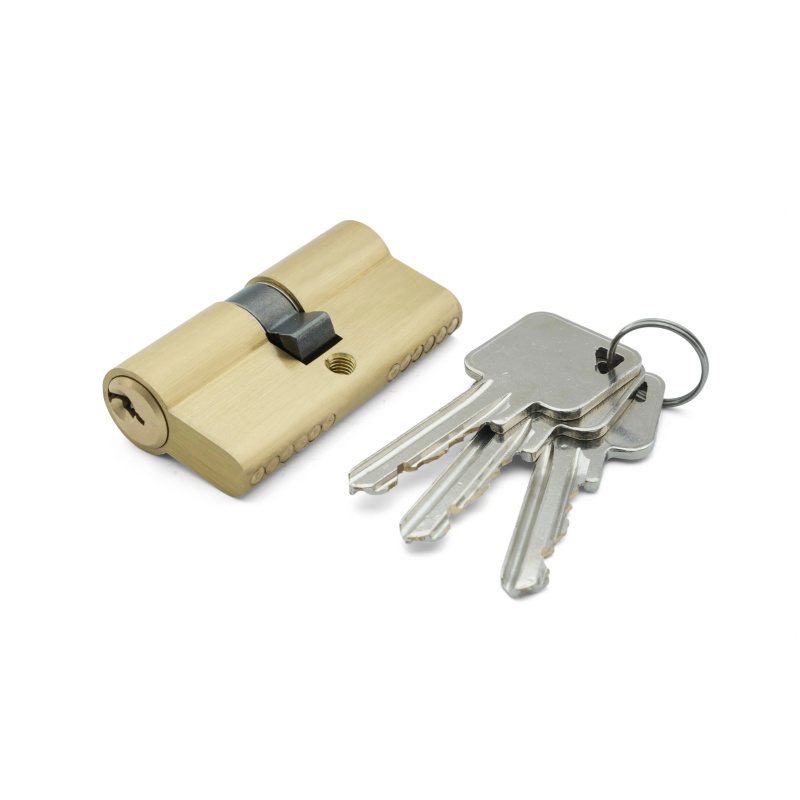
When it comes to securing homes, offices, or commercial properties, the lock you choose can make a significant difference. A Custom Lock Cylinder offers flexibility, reliability, and tailored security features that standard locks may not provide. Understanding its design, functionality, and applications can help both individual consumers and business buyers make informed decisions.
What Is a Custom Lock Cylinder?
A Custom Lock Cylinder is a locking mechanism that is designed to meet specific requirements. Unlike off-the-shelf locks, it can be tailored to fit particular door types, access systems, or security standards. This customization can include adjustments to the cylinder's length, diameter, keying system, or even resistance to picking and drilling.
For businesses and homeowners, the ability to customize a lock cylinder ensures that security solutions are aligned with the environment and user needs.
Materials and Construction
The durability of a Custom Lock Cylinder depends on the materials used in its construction. High-quality metals, such as brass, stainless steel, or alloy combinations, are commonly used to ensure wear resistance and longevity. Additionally, precision machining enhances smooth operation, while reinforced pins and mechanisms can improve resistance against forced entry.
A well-constructed custom cylinder can reduce maintenance needs and provide consistent performance over years of use.
Keying Options and Security Levels
One of the main advantages of a Custom Lock Cylinder is the variety of keying options. These can include:
- Single key systems for individual doors
- Master key systems for multiple access levels in offices or apartment complexes
- Restricted key duplication to prevent unauthorized copies
- High-security pins or patented mechanisms for added protection
For businesses, using a custom cylinder in a master key system can simplify access control and reduce the complexity of managing multiple locks.
Applications Across Settings
A Custom Lock Cylinder is versatile and can be applied in numerous environments:
- Residential properties for main doors, gates, or safes
- Commercial buildings, including offices, warehouses, and retail spaces
- Industrial facilities where secure equipment storage is required
- Access control systems integrated with electronic or mechanical locking mechanisms
By choosing a custom cylinder, property owners can ensure the lock meets the exact requirements of each application.
Maintenance and Longevity
Maintaining a Custom Lock Cylinder is relatively simple. Regular lubrication, inspection for wear, and timely replacement of worn components can extend its lifespan. Custom cylinders are often designed to be serviceable, allowing businesses and homeowners to maintain security without frequent full replacements.
Choosing the Right Custom Lock Cylinder
When selecting a Custom Lock Cylinder, consider these factors:
- Compatibility: Ensure the cylinder fits the door or access system properly.
- Security Features: Check for anti-pick, anti-drill, or anti-bump mechanisms.
- Keying Requirements: Decide if you need single key, master key, or restricted key duplication.
- Durability: Look at material quality and resistance to corrosion or wear.
Careful consideration ensures the cylinder performs as intended and provides appropriate security.
A Custom Lock Cylinder offers tailored security solutions that standard locks may not provide. Its versatility, material quality, and keying options make it suitable for homes, commercial spaces, and industrial facilities. By understanding its design, applications, and maintenance requirements, both consumers and businesses can choose a lock cylinder that improves safety, convenience, and long-term reliability. Selecting a well-made custom cylinder ensures that access is secure, controlled, and aligned with the specific needs of the property.

 Tel: +86-18858990200
 E-mail: [email protected]
 Add: No. 77, Yidianhong Avenue, Pujiang County, Jinhua City, Zhejiang Province
Copyright 2025 Pujiang Qiying Industry and Trade Co., Ltd. All Rights Reserved 
Custom Lock Cylinder Manufacturers