

 中文简体
中文简体 Español
 عربى
عربى
Request for a call today
Is the Extended Turn for Euro Profile Cylinder Safer?
Builders Are Quietly Rethinking Standard Door Hardware
Many property developers never gave the thumb turn much thought. It was just there. Small, functional, and easy to ignore. But something changed over the past few years. More contractors now specifically request an extended turn for Euro profile cylinder when spec'ing out new apartments, hotel rooms, and office buildings.
The reason isn't complicated. Standard thumb turns work fine on paper. In real life, people struggle with them. Wet hands from washing dishes. Gloves in winter. Low light at night. A tiny turn that requires precise pinching becomes a daily annoyance. Once you install an extended turn for Euro profile cylinder, tenants stop complaining. That alone drives the switch.
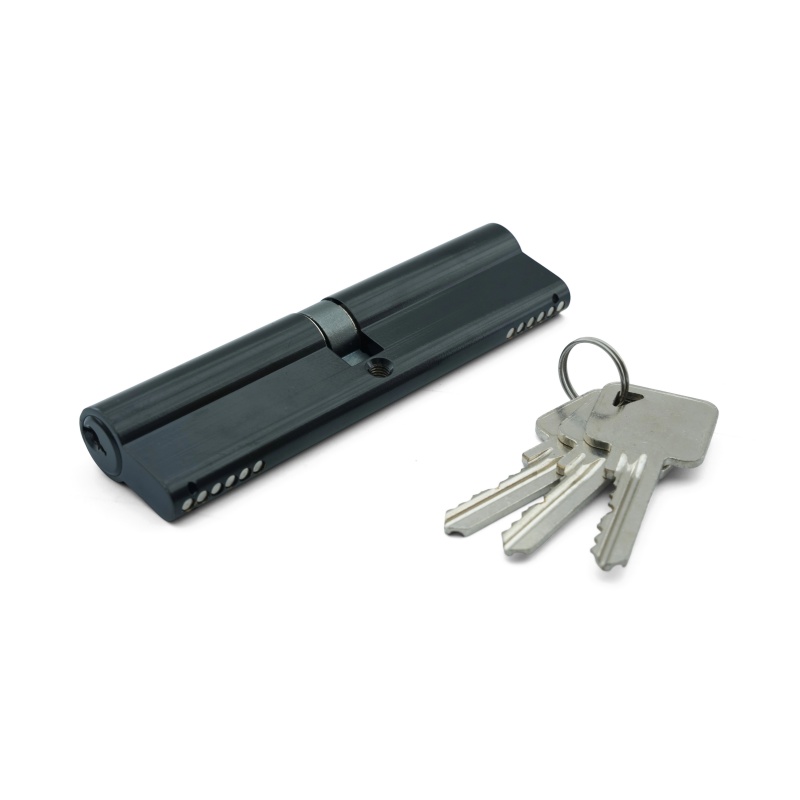
Emergency Exits Become Faster With Better Hardware
Think about leaving a room quickly when something feels wrong. Your heart rate jumps. Fine motor control drops. That compact thumb turn you operated easily yesterday suddenly feels impossible to locate or twist. An extended turn for Euro profile cylinder solves this by offering a larger gripping surface. Your palm or whole fingers make contact without aiming carefully.
Fire safety consultants have started flagging standard flush turns as problematic during evacuation drills. The data shows people hesitate. Hotels in particular have moved toward extended turn for Euro profile cylinder designs because guests under stress exit faster. Assisted living facilities report fewer struggles among residents with reduced hand strength. Schools like them for classroom doors too.
Thick Doors Break the Old Assumption
Here is a problem builders didn't expect. Modern doors keep getting thicker. Fire-rated assemblies. Acoustic barriers. Insulated entry systems for cold climates. Put a standard thumb turn on a door over 50mm thick, and your fingers barely fit between the turn and the door surface. People end up pinching rather than twisting comfortably.
An extended turn for Euro profile cylinder creates extra clearance by lengthening the internal stem. The turning mechanism stays the same. Only the grip moves outward, where fingers can actually reach it. Contractors searching for an extended thumb turn for Euro cylinder for thick doors* are not being picky. They are fixing a design mismatch that only appears after installation.
Comparing Standard and Extended Options Side by Side
| Feature | Standard Thumb Turn | Extended Turn for Euro Profile Cylinder |
| Grip Size on Thick Doors | Cramped or unusable | Comfortable with space |
| Operation with Winter Gloves | Frustrating | Smooth and easy |
| Finding it in Darkness | Requires fumbling | Palm contacts naturally |
| Daily Use for Arthritic Hands | Painful pinch grip | Palm rotation works |
| Cost Difference | Slightly cheaper | Negligible for projects |
The table shows what experienced installers already know. An extended turn for Euro profile cylinder costs barely more than a standard version. But the usability gap is enormous once the door is in service for a few months.
Daily Situations Where Extended Turns Make Sense
Walking through real scenarios helps explain the growing popularity.
- Someone carrying grocery bags and mail unlocks their apartment door using only the back of their hand. No fumbling. No dropping anything.
- An elderly resident with mild arthritis leaves for a morning walk. The larger turn rotates with palm pressure instead of requiring a tight pinch grip.
- A parent hears their child cry at 2 AM. Half asleep, they find the thumb turn immediately without searching or turning on the lights.
- Office workers wearing gloves during the winter months operate the door normally without stopping to remove hand coverings.
These are small improvements. But an extended turn for Euro profile cylinder touches the user experience every single day. That daily interaction matters more than many hardware specs suggest.
Material Quality Determines Long Term Performance
Not every extended turn for Euro profile cylinder holds up well over time. Brass and zinc alloy bodies resist corrosion better. Surface finishes like satin nickel, matte black, and polished chrome handle constant touching without wearing off quickly.
Commercial buyers have learned to check three things before ordering in bulk. First, the internal cam needs to be machined smoothly without rough edges. Second, rotation should feel consistent whether the lock is engaged or not. Third, the finish needs testing against the daily cleaning products used in hotels and rental buildings.
Hotel managers particularly value an extended turn for Euro profile cylinder that stays tight after thousands of cycles. Replacing failed thumb turns across a 200-room property costs far more in labor than buying better hardware upfront. A few extra dollars per door eliminates that headache entirely.
Compatibility Checks Before Purchasing
Builders ordering for large projects run through a short checklist.
- Cylinder length needs to match the door thickness exactly. Too short and the exterior side sits recessed. Too long and the hardware looks awkward.
- The thumb turn should show no wobble out of the box. Any looseness only gets worse with use.
- Emergency override function matters for hotels and rentals. Managers need exterior access even when the interior turn is locked.
- Finish durability against frequent wiping. Hospitality buyers know housekeeping wears down weak plating within months.
Searching for *better extended turn for Euro profile cylinder for apartments* has climbed steadily across European and North American hardware sites. That trend reflects real demand from property owners tired of tenant complaints about small, hard-to-use thumb turns.
Why This Shift Continues Growing
Extended turns do not make the lock cylinder more resistant to picking or bumping. That was never the point. What an extended turn for Euro profile cylinder actually delivers is faster emergency exiting, easier daily operation, and genuine comfort on thick modern doors. Builders keep switching because residents and guests notice the difference immediately. For barely any increase in material cost, that return on investment is hard to beat.

 Tel: +86-18858990200
 E-mail: [email protected]
 Add: No. 77, Yidianhong Avenue, Pujiang County, Jinhua City, Zhejiang Province
Copyright 2025 Pujiang Qiying Industry and Trade Co., Ltd. All Rights Reserved 
Custom Lock Cylinder Manufacturers