

 中文简体
中文简体 Español
 عربى
عربى
Request for a call today
How to Choose the Right Display Cabinet Lock?
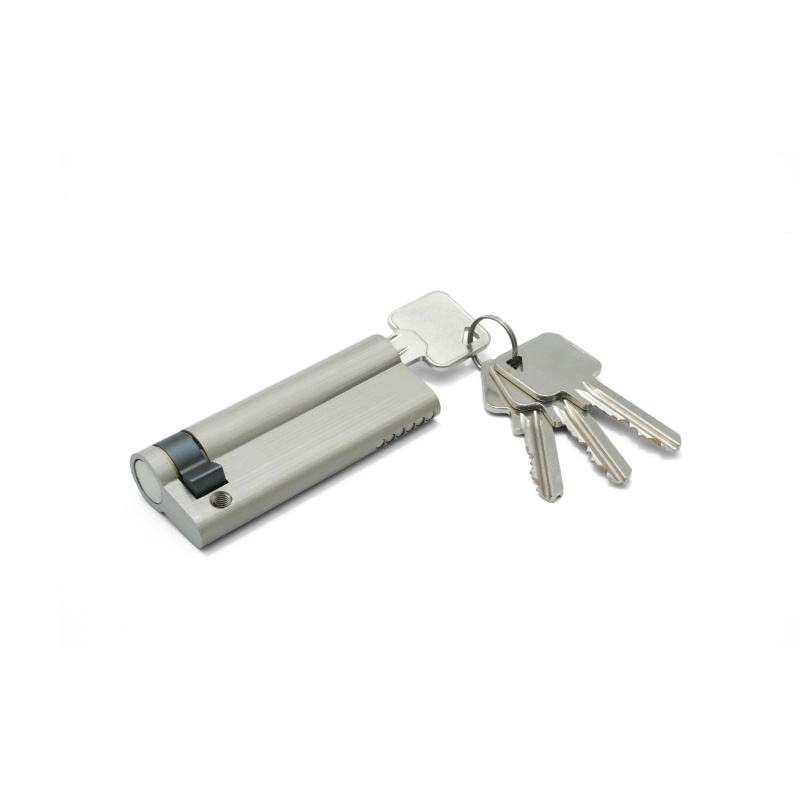
Display cabinets are commonly used in homes, retail stores, museums, and offices to showcase valuable items, collectibles, or merchandise. Ensuring these cabinets are secure requires selecting the appropriate lock. Choosing the right Display Cabinet Lock involves considering factors such as security needs, ease of use, material compatibility, and aesthetics.
Security Level Required
The primary purpose of a display cabinet lock is to prevent unauthorized access. Consider what items are stored in the cabinet and the level of security needed. For high-value items, a lock with a more robust mechanism, such as a tubular or cam lock with anti-pick features, may be necessary. For general items or collectibles with lower security concerns, simpler key locks or combination locks may suffice. Selecting a Display Cabinet Lock appropriate for the security level ensures protection without overcomplicating access.
Material and Cabinet Compatibility
Display cabinets can be made from glass, wood, metal, or acrylic, and the type of material influences lock selection. Glass cabinets often require locks that clamp or fit onto the door without drilling, while wooden or metal cabinets may accommodate more traditional mortise or cam locks. It is essential to measure the door thickness and lock dimensions to ensure proper fit. A Display Cabinet Lock that matches the cabinet material will provide stable operation and avoid damage to the door or frame.
Locking Mechanism
Different display cabinet locks use varied mechanisms, including keyed locks, combination locks, and magnetic locks. Keyed locks offer traditional access control, where keys can be duplicated for authorized users. Combination locks eliminate the need for keys, reducing the risk of loss, but require remembering the code. Magnetic locks, often paired with a key or electronic access system, provide a modern approach suitable for high-traffic areas. Choosing the right mechanism depends on the balance between convenience, security, and user preference for a Display Cabinet Lock.
Ease of Use
A display cabinet lock should be easy for authorized users to operate while remaining secure against tampering. Consider the frequency of access and the potential for multiple users. Some locks feature smooth-turning keys or easy-to-set combination dials, reducing wear and frustration over time. A Display Cabinet Lock that is user-friendly encourages consistent use and reduces the likelihood of improper operation or damage to the locking mechanism.
Aesthetic Considerations
Because display cabinets are often designed to highlight items visually, the lock should complement the overall look. Locks are available in different finishes, colors, and styles, from discreet designs that blend with the frame to decorative locks that add character. Selecting a Display Cabinet Lock that fits the cabinet's design ensures security without compromising appearance, maintaining both function and visual appeal.
Maintenance and Durability
Durability is essential for locks that are used frequently. Look for locks made from corrosion-resistant materials, such as stainless steel or brass, which withstand regular use and environmental exposure. Periodic lubrication and inspection help maintain smooth operation and prevent wear. Choosing a Display Cabinet Lock with durable construction reduces long-term maintenance and extends the life of the cabinet's security system.
Choosing the right display cabinet lock requires careful consideration of security needs, cabinet material, locking mechanism, ease of use, aesthetics, and durability. By evaluating these factors, users can select a Display Cabinet Lock that protects valuable items, matches the cabinet's design, and remains reliable over time. Thoughtful selection ensures that the display cabinet functions effectively as both a showcase and a secure storage solution.

 Tel: +86-18858990200
 E-mail: [email protected]
 Add: No. 77, Yidianhong Avenue, Pujiang County, Jinhua City, Zhejiang Province
Copyright 2025 Pujiang Qiying Industry and Trade Co., Ltd. All Rights Reserved 
Custom Lock Cylinder Manufacturers