

 中文简体
中文简体 Español
 عربى
عربى
Request for a call today
How Secure Is an Armoured Steel Padlock Really?
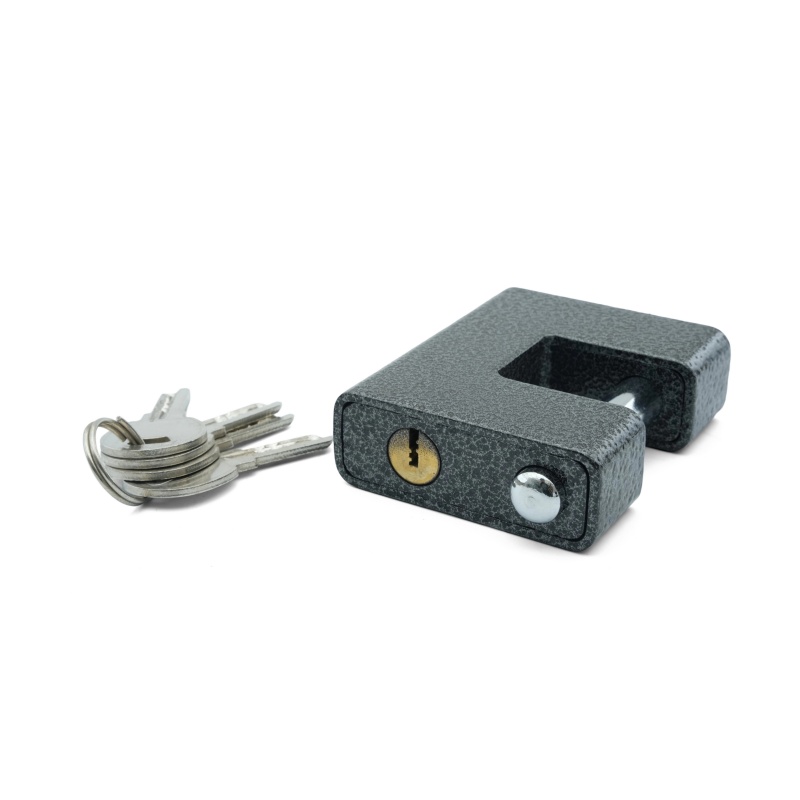
Security is something people often take for granted—until it fails. Whether you are protecting a warehouse, storage unit, gate, or toolbox, choosing the right lock can make a big difference. Among various lock types, the Armoured Steel Padlock is often seen as a strong and reliable option. But how secure is it really, and what makes it different from regular padlocks?
The Concept Behind Armoured Steel Construction
The main strength of an Armoured Steel Padlock comes from its design and materials. Unlike standard brass or aluminum locks, this padlock has a hardened steel body, often reinforced with additional protective layers. The “armoured” part refers to the external shell that shields the inner locking mechanism from drilling, cutting, and hammering.
This construction significantly increases resistance to forced entry. Even when attackers use tools like bolt cutters or hacksaws, the hard steel casing can withstand a considerable amount of pressure. That's why armoured locks are commonly used in outdoor or industrial settings where the risk of tampering is higher.
Locking Mechanism and Internal Strength
The internal mechanism is just as important as the outer shell. Many Armoured Steel Padlocks feature double or triple locking systems, which means the shackle is secured on both sides. This makes it harder to pry open, even if one side is compromised.
Some versions also include ball-bearing locking mechanisms, known for providing smooth operation and better resistance to pulling or twisting attacks. The precision of the internal components determines how effectively the lock can resist manipulation techniques like picking or shimming.
Resistance to Weather and Corrosion
Security isn't just about preventing break-ins—it's also about durability. An Armoured Steel Padlock is often coated with anti-corrosion finishes such as chrome or nickel plating. These coatings protect the metal from rust, especially when used in humid or outdoor environments.
While no material is completely weatherproof, the added protection ensures long-term reliability. This makes such padlocks suitable for storage units, gates, and marine equipment where exposure to rain and moisture is unavoidable.
Common Weak Points to Consider
No lock is completely invincible. Even with solid construction, an Armoured Steel Padlock may still have weaknesses depending on its design and usage. The shackle, which is the U-shaped metal part that fits into the hasp, is often the targeted area. If the shackle is too thin or exposed, it can still be cut or pried with enough force.
Another potential issue lies in the keyway. Lower-end padlocks may use simple pin tumbler systems that can be picked with basic tools. Choosing a padlock with a complex keyway design or anti-pick features can significantly improve security.
Choosing the Right Application
The true effectiveness of an Armoured Steel Padlock depends on how it is used. For instance, using a strong lock on a weak latch or chain won't offer much protection. It's important to match the padlock with equally durable hardware.
In industrial or commercial environments, these locks are often paired with heavy-duty hasps or chains, ensuring all components work together to resist forced entry. For personal use, they can be an excellent choice for outdoor storage, garden sheds, or construction sites.
So, how secure is an Armoured Steel Padlock really? In general, it provides a solid level of protection against physical attacks and harsh environments. Its robust steel construction, combined with an advanced locking system, makes it much harder to break than standard padlocks.
However, no lock can guarantee complete security. The effectiveness of an Armoured Steel Padlock ultimately depends on build quality, proper installation, and matching it with strong supporting hardware. When chosen wisely, it can serve as a dependable line of defense for both personal and industrial use.

 Tel: +86-18858990200
 E-mail: [email protected]
 Add: No. 77, Yidianhong Avenue, Pujiang County, Jinhua City, Zhejiang Province
Copyright 2025 Pujiang Qiying Industry and Trade Co., Ltd. All Rights Reserved 
Custom Lock Cylinder Manufacturers