

 中文简体
中文简体 Español
 عربى
عربى
Request for a call today
Garage Padlocks vs. Shipping Container Padlocks: Key Differences Explained
When it comes to securing outdoor storage, two names dominate the conversation: Garage Padlock and Shipping Container Padlock. Both rely on a classic Shackle Lock design, yet they are engineered for different threats, materials, and climates. Understanding the distinctions helps owners avoid costly mistakes and choose the right Shackle Lock for the job.
1. Design Purpose
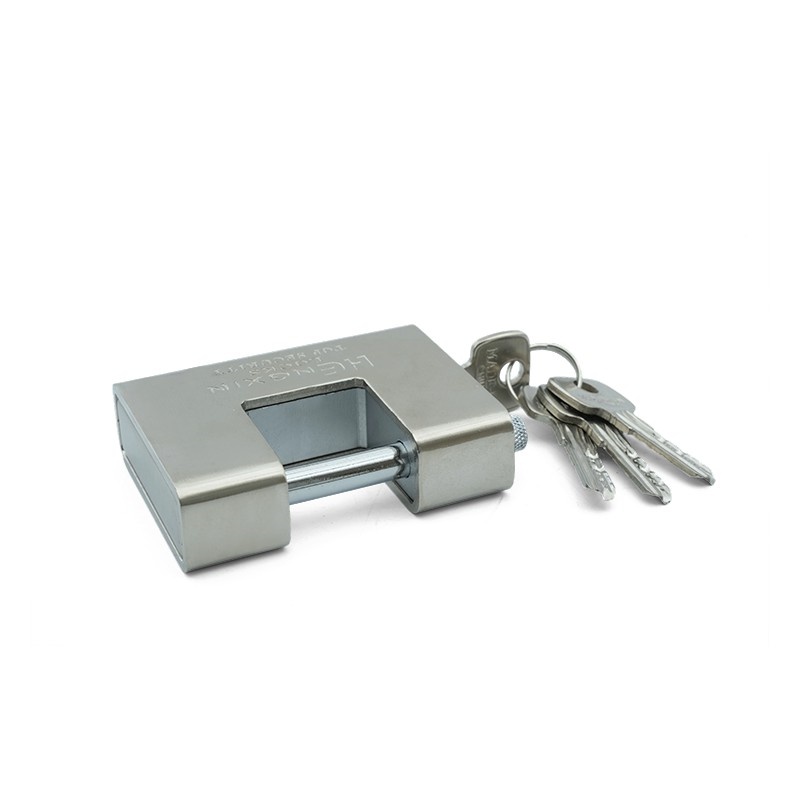
A Garage Padlock is primarily built for side-hinged or up-and-over wooden or metal garage doors. The shackle is usually mid-length, allowing it to pass through standard hasps without offering too much exposed surface for leverage. In contrast, a Shipping Container Padlock must bridge thicker locking boxes and high-security hasps. Its Shackle Lock is intentionally wider and longer, yet protected by hardened steel collars that rotate under attack.
2. Shackle Geometry
Look at any Garage Padlock on a domestic hasp and you will notice a 10–11 mm shackle diameter, enough to resist casual bolt-cutters. Move to a Shipping Container Padlock and the Shackle Lock swells to 12–14 mm, often manufactured from boron alloy. The extra mass distributes cutting force, while the protective shroud reduces the amount of shackle an attacker can grip.
3. Weather Resistance
Garages may be damp, but containers face horizontal rain, salt spray, and temperature swings from -20 °C to 60 °C. Therefore, a Garage Padlock typically uses stainless steel springs and a zinc alloy body. A Shipping Container Padlock goes further: its Shackle Lock receives chrome plating plus internal drainage channels, and the body is coated with marine-grade powder that resists 1.000 hours of salt-spray testing.
4. Locking Mechanism
Both styles share a double-ball locking mechanism, yet the Shipping Container Padlock often adds a seven-pin cylinder with anti-bump pins. The Garage Padlock balances security and cost with a five-pin cylinder, adequate for suburban risk levels but easier to re-key when homeowners move.
5. Weight and Handling
A standard Garage Padlock weighs around 350 g, light enough for daily thumb operation. The container version tips the scale at 700 g; its heavier Shackle Lock and armored body feel substantial, but installers appreciate the larger grip surface when wearing gloves in ports or construction sites.
6. Price Point
Expect to pay 20–30 % more for a Shipping Container Padlock than for a Garage Padlock of the same brand. The up-charge covers thicker molding, extra alloy, and corrosion testing. Still, both remain affordable compared with the value of tools, bikes, or cargo they protect.
7. Real-World Misuse
Site managers sometimes grab a Garage Padlock to secure a container door, only to find the Shackle Lock too short for the hasp. Conversely, using a Shipping Container Padlock on a thin garage hasp can leave the heavy shackle exposed, inviting leverage. Matching lock geometry to hardware is therefore critical.
8. Lifecycle
Under normal suburban conditions, a Garage Padlock offers five to seven years of smooth operation before requiring lubrication. A Shipping Container Padlock, maintained quarterly, can exceed ten years, even when stationed on oceanfront yards where salt accelerates wear.
9. Certification
Both styles carry CEN grades, but the Shipping Container Padlock more often reaches CEN 4 or 5. reflecting higher forced-entry resistance. The Garage Padlock usually sits at CEN 3. sufficient for insurance requirements on domestic garages.
Choosing between a Garage Padlock and a Shipping Container Padlock is less about brand preference and more about application specifics. Evaluate the thickness of your hasp, the local climate, and the level of traffic the Shackle Lock will endure. By aligning those factors with the correct Shackle Lock design—whether it is a lightweight Garage Padlock or a fortified Shipping Container Padlock—you secure not just a door, but the peace of mind that comes from knowing the right tool is guarding your assets.

 Tel: +86-18858990200
 E-mail: [email protected]
 Add: No. 77, Yidianhong Avenue, Pujiang County, Jinhua City, Zhejiang Province
Copyright 2025 Pujiang Qiying Industry and Trade Co., Ltd. All Rights Reserved 
Custom Lock Cylinder Manufacturers