

 中文简体
中文简体 Español
 عربى
عربى
Request for a call today
Common Mistakes When Installing a Bathroom Lock Cylinder and How to Avoid Them
Installing a Bathroom Lock Cylinder might seem like a simple DIY task, but small errors can to misaligned latches, jammed keys, or even privacy concerns. Whether you're fitting a Cylindrical Key Lock for a family bathroom or upgrading to a Double Key Cylinder Lock for added security, avoiding common pitfalls ensures smooth operation and long-term reliability.
One of the frequent mistakes is choosing the wrong size. A Bathroom Lock Cylinder that is too short may not engage properly, while one that is too long can protrude awkwardly, affecting both aesthetics and function. Before purchasing, measure the thickness of your door and the backset carefully. This step is equally important for a Cylindrical Key Lock, which relies on precise alignment to turn smoothly.
Another common issue is incorrect orientation. Many installers overlook the fact that a Bathroom Lock Cylinder often has a specific top and bottom. Reversing it can cause the locking mechanism to work backward or not at all. Always check the manufacturer’s instructions, especially when dealing with a Double Key Cylinder Lock, which has keyways on both sides and must be aligned correctly for dual access.
Misalignment of the locking mechanism is also a typical problem. If the latch or deadbolt doesn’t line up with the strike plate, even a high-quality Cylindrical Key Lock will fail to secure the door. This can happen if the door or frame shifts slightly over time. Before installing your Bathroom Lock Cylinder, ensure the door is properly hung and the frame is square. Test the latch several times before finalizing the installation.
Over-tightening screws is another subtle but damaging mistake. While it’s important to secure the Bathroom Lock Cylinder firmly, applying too much pressure can warp the lock body or bind the cylinder. This is especially true for a Double Key Cylinder Lock, which has more components and can become misaligned under stress. Tighten screws evenly and test the key after each adjustment.
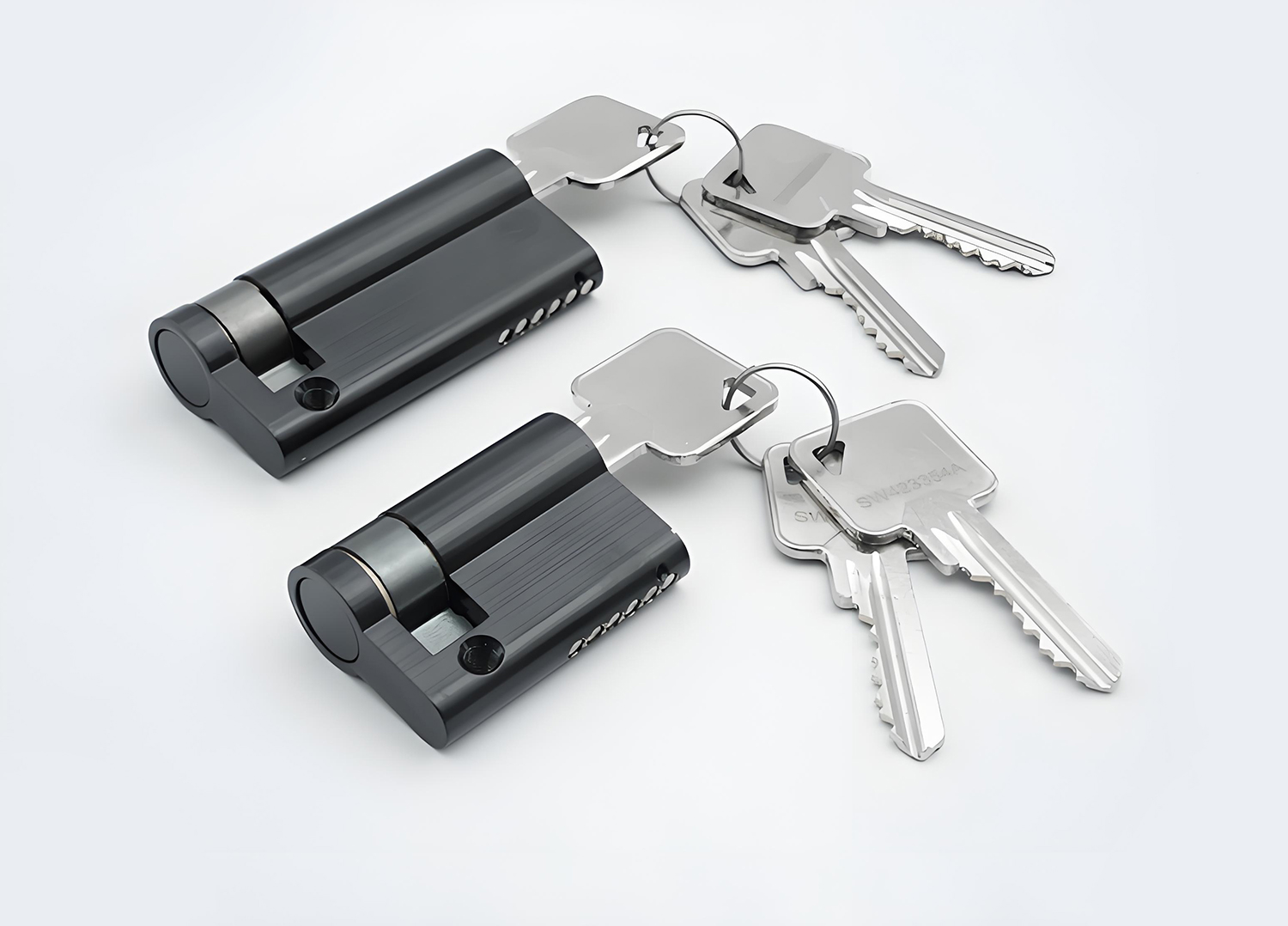
Using the wrong tools can also to problems. Drilling holes that are too large or off-center can compromise the fit of a Cylindrical Key Lock. Always use the correct drill bit size and follow the template provided by the lock manufacturer. This ensures that your Bathroom Lock Cylinder sits flush and operates smoothly.
Neglecting to test the lock before finishing is a surprisingly common oversight. After installing a Double Key Cylinder Lock, insert the key from both sides and turn it several times. Make sure the latch or bolt extends and retracts fully. If you feel resistance, disassemble and check for obstructions or alignment issues. This step is crucial for any Bathroom Lock Cylinder, where ease of use is just as important as security.
Finally, don’t forget about privacy features. A Bathroom Lock Cylinder often includes an emergency release function, especially in homes with children or elderly residents. Ensure this feature is accessible and functional. For Cylindrical Key Lock models, check that the thumb-turn or indicator works properly. In the case of a Double Key Cylinder Lock, make sure spare keys are stored safely in case of accidental lock-in.
By taking the time to measure accurately, align components carefully, and test thoroughly, you can avoid these common mistakes and ensure your Bathroom Lock Cylinder performs reliably. Whether you choose a Cylindrical Key Lock for simplicity or a Double Key Cylinder Lock for flexibility, proper installation is key to long-lasting bathroom privacy and peace of mind.

 Tel: +86-18858990200
 E-mail: [email protected]
 Add: No. 77, Yidianhong Avenue, Pujiang County, Jinhua City, Zhejiang Province
Copyright 2025 Pujiang Qiying Industry and Trade Co., Ltd. All Rights Reserved 
Custom Lock Cylinder Manufacturers