

 中文简体
中文简体 Español
 عربى
عربى
Request for a call today
All Weather Padlocks vs Standard Locks: Which One Keeps You Safe?
Garden sheds, storage units, gates, and bike chains all share one common line of defense: the humble padlock. Yet not all padlocks are created equal. As autumn rain turns to winter frost and then summer heat, owners are beginning to ask which style of lock truly maintains security year-round. The debate is now shifting toward a clear comparison between standard models and the increasingly popular All Weather Padlocks that promise uninterrupted protection.
Standard locks have served households for decades. Usually built from brass or basic steel, they perform adequately in moderate climates. The moment moisture, salt air, or temperature swings enter the picture, however, their moving parts begin to corrode. Stiff shackles and frozen tumblers become weekly frustrations, and corrosion quietly weakens the metal until a modest tool can defeat the mechanism.
In contrast, an All Weather Padlock is engineered to shrug off these seasonal hazards. Stainless-steel bodies, silicone sealing rings, and drainage channels keep water from pooling inside the shackle port, while UV-stable coatings resist cracking under intense sun. The result is a device that turns freely in January and locks securely in July.
Theft deterrence is another area where the newer designs pull ahead. A common break-in tactic is to cut the shackle with a handheld tool.
Standard locks typically use hardened steel shackles rated for basic attacks, yet prolonged exposure to rain can reduce that hardness through micro-rusting. A Heavy Duty Outdoor Padlock addresses this weakness with boron-carbide or alloy-steel shackles that retain their strength even after months outside. Manufacturers often combine this material with a Cut Proof Padlock design that includes a shrouded or double-deadbolt configuration, making it difficult for blades to find a clean bite.
Field tests conducted by independent security labs illustrate the gap. When identical chains were secured with a standard brass padlock and an All Weather Padlocks model, the brass lock showed visible rust after only 30 days of coastal exposure and was removed in 14 seconds using a small rotary tool. The All Weather Padlocks unit, still glinting like new, required over two minutes of continuous cutting before yielding. A parallel trial placed the same tools against a Heavy Duty Outdoor Padlock built to Cut Proof Padlock specifications. Testers reported blade wear after 90 seconds and ultimately abandoned the attempt, citing safety concerns.
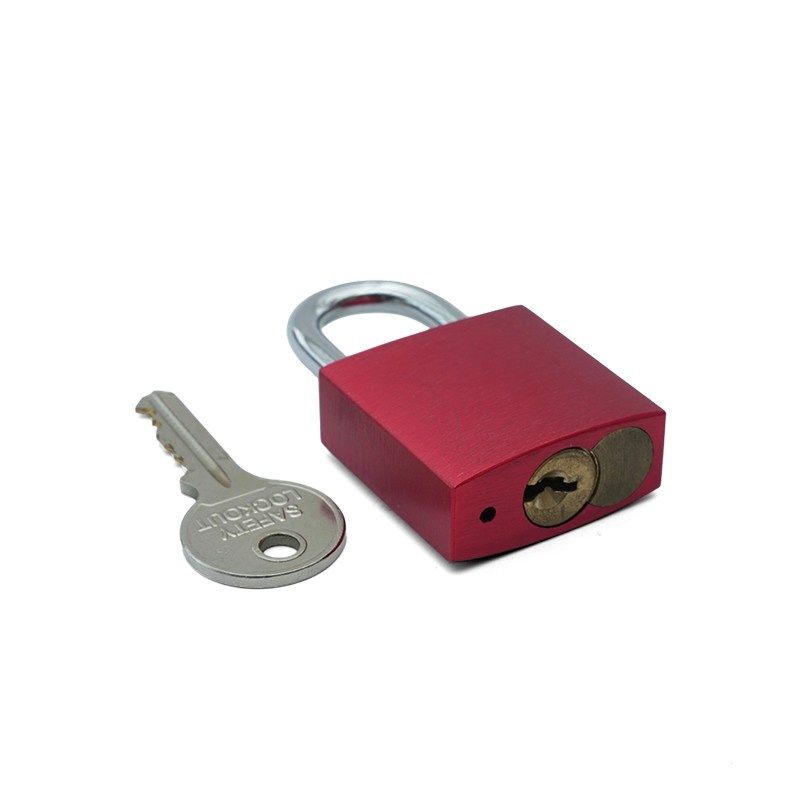
Cost is often cited as a barrier to upgrading, yet the math is shifting. A standard lock priced modestly at the hardware store may need replacement every year once corrosion sets in. Over five seasons, that expense matches or exceeds the one-time purchase of a Heavy Duty Outdoor Padlock engineered for All Weather Padlocks duty. When potential losses from theft—bicycles, lawn equipment, or stored tools—are added to the equation, the advanced lock becomes the economical choice.
Maintenance routines also favor the new technology. Standard locks require periodic oiling and winter thawing with de-icing spray, steps that busy owners frequently forget. An All Weather Padlock is delivered pre-lubricated with synthetic grease that stays pliable from -40 °F to 212 °F. A quick rinse with fresh water is generally all that is needed to keep the Cut Proof Padlock mechanism operating smoothly, saving both time and effort.
Ultimately, the decision rests on how much reliability and peace of mind a user desires. Standard locks remain adequate for indoor closets or brief outdoor duty in mild regions. For gates, storage cages, and marine docks exposed to the full calendar of wind, rain, and sun, the evidence points toward upgrading. One Heavy Duty Outdoor Padlock, purpose-built as an All Weather Padlock solution and reinforced with Cut Proof Padlock features, offers a straightforward path to sustained safety without seasonal surprises.

 Tel: +86-18858990200
 E-mail: [email protected]
 Add: No. 77, Yidianhong Avenue, Pujiang County, Jinhua City, Zhejiang Province
Copyright 2025 Pujiang Qiying Industry and Trade Co., Ltd. All Rights Reserved 
Custom Lock Cylinder Manufacturers